Deceased Estate Cleaning: What to Expect and How It Works
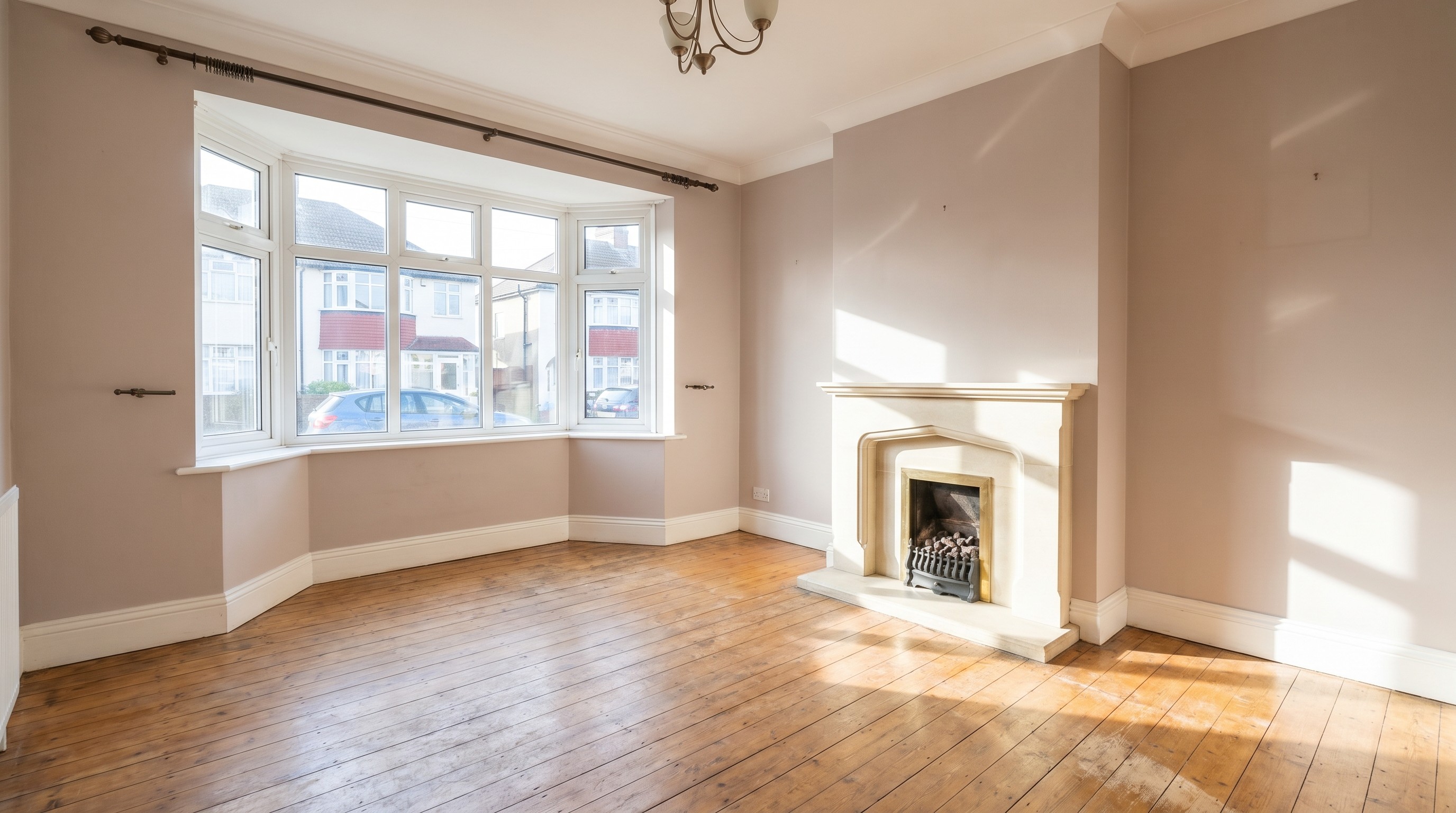
Handling a property during a difficult time can feel overwhelming. This guide explains what deceased estate cleaning involves, how the process works, and how to approach it in a respectful and practical way.
Introduction
Deceased estate cleaning is not a standard cleaning job. It often involves sorting belongings, clearing items, and preparing a property for sale or handover.
During this time, families and property managers need a process that is clear, respectful, and efficient. Knowing what to expect helps reduce stress and allows decisions to be made with confidence.
What Deceased Estate Cleaning Includes
The scope can vary depending on the property and situation, but typically includes:
Full property cleaning
Sorting and organising belongings
Coordination of rubbish removal
Preparation for sale or inspection
The goal is to return the property to a clean, presentable state.
Step 1: Initial Assessment
The process usually starts with an assessment of the property.
This involves:
Understanding the size and condition of the home
Identifying items that need to be sorted or removed
Discussing any specific requirements or sensitivities
A clear plan is created before work begins.
Step 2: Sorting and Organising
This is often the most time consuming part.
Items are typically separated into:
Keep
Donate
Dispose
This step should be handled carefully and respectfully, with clear communication throughout.
Step 3: Removal and Clearing
Once items are sorted, removal is coordinated.
This may include:
Rubbish removal services
Donation drop offs
Clearing large or unwanted items
The aim is to prepare the property for cleaning.
Step 4: Full Property Cleaning
After clearing, the property is cleaned thoroughly.
This includes:
Kitchens and bathrooms
Floors, walls, and surfaces
Windows and internal areas
The focus is on making the space presentable and ready for its next stage.
Step 5: Final Check
A final walkthrough ensures:
All agreed work is completed
The property meets expectations
Nothing has been overlooked
This step provides clarity and closure to the process.
Important Considerations
Respect and Sensitivity
This type of work requires a respectful approach at all times. Communication should be clear, calm, and considerate.
Time and Flexibility
Every situation is different. Some properties require more time depending on volume and complexity.
Clear Communication
Regular updates help avoid confusion and ensure decisions are handled properly.
When to Use Professional Help
Professional support is valuable when:
The property is large or heavily furnished
Time is limited
The process feels overwhelming
A structured service can manage the work from start to finish.
Benefits of a Structured Approach
A clear process helps:
Reduce stress during a difficult time
Ensure nothing important is missed
Prepare the property efficiently
This allows families and managers to focus on other responsibilities.
Conclusion
Deceased estate cleaning involves more than cleaning. It is a structured process that includes sorting, clearing, and preparing a property with care.
Understanding how it works helps you approach it with clarity and ensures the property is handled properly from start to finish.